
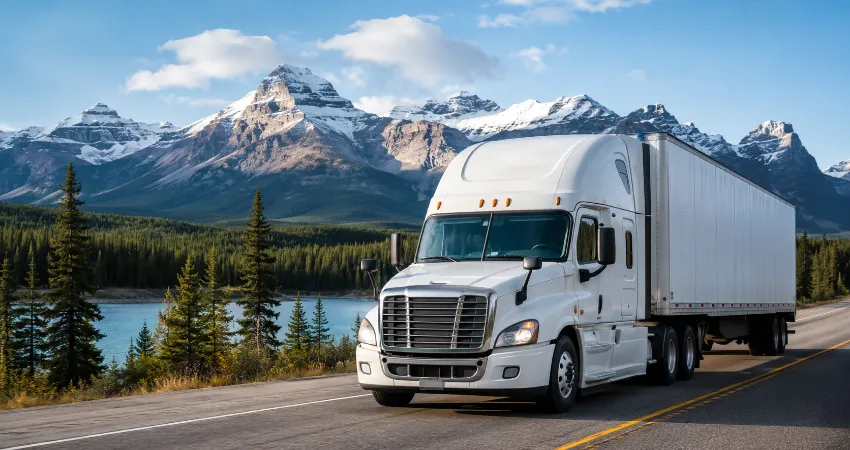
Canada continues to face a growing demand for skilled truck drivers, making the transportation industry one of the country’s most important employment sectors. As supply chains expand and experienced commercial drivers retire, many employers are actively recruiting qualified international candidates. For job seekers looking to build a stable career abroad, truck driver jobs in Canada with visa sponsorship in 2026 remain an attractive opportunity.
While Canada welcomes skilled foreign workers in many occupations, securing a truck driving position involves more than simply submitting a resume. Applicants should understand employer expectations, licensing requirements, immigration pathways, salary ranges, and regional demand before applying. Preparing in advance significantly improves the chances of finding a legitimate employer willing to support a work permit.
This guide explains everything international applicants need to know about truck driver jobs in Canada with visa sponsorship in 2026. The information is based on current labor market trends, immigration policies, and industry practices while helping applicants avoid common mistakes during their job search.
Why Canada Needs More Truck Drivers in 2026?
Canada’s economy depends heavily on road transportation. Thousands of trucks move food, medical supplies, construction materials, consumer goods, and industrial equipment across provinces every day. The industry has experienced a long-term shortage of qualified commercial drivers due to an aging workforce, increasing freight demand, and continued economic growth.
Many transportation companies are expanding their recruitment beyond Canada by hiring experienced foreign drivers through approved immigration and temporary foreign worker programs. Although not every employer offers visa sponsorship, companies facing labor shortages may support eligible candidates who meet their hiring requirements.
What Does Visa Sponsorship Mean?
Visa sponsorship generally means that a Canadian employer is willing to hire a qualified foreign worker and support the work authorization process. Depending on the hiring program, the employer may obtain a Labour Market Impact Assessment (LMIA) or use another approved immigration pathway before the worker applies for a work permit.
Receiving sponsorship does not guarantee permanent residence. Instead, it allows eligible workers to legally work in Canada while gaining valuable Canadian work experience, which may later support applications for permanent immigration through federal or provincial programs.
Main Responsibilities of a Truck Driver in Canada
Truck drivers perform much more than driving long distances. Employers expect drivers to transport goods safely, inspect vehicles before and after trips, secure cargo properly, maintain accurate delivery records, follow transportation regulations, communicate with dispatch teams, plan efficient routes, and ensure compliance with provincial and federal safety standards. Professionalism, punctuality, and safe driving habits are highly valued throughout the industry.
Eligibility Requirements for International Applicants
Requirements vary between employers, but most companies look for candidates with relevant commercial driving experience and a clean driving history. Applicants generally need a valid passport, proof of previous driving experience, basic English or French communication skills, medical fitness, and the ability to satisfy Canadian licensing requirements after arrival.
Many employers also prefer applicants who understand defensive driving practices, cargo safety regulations, electronic logging devices, and long-distance transportation procedures.
Canadian Commercial Driver Licensing
International drivers should understand that foreign commercial licenses are not automatically accepted throughout Canada. Each province has its own licensing authority and commercial driver’s licence classification. New arrivals may need to complete written knowledge tests, medical examinations, road tests, or additional training before receiving the appropriate provincial commercial licence.
Applicants should carefully review licensing requirements for the province where they plan to work because regulations may differ across Canada.
Average Salary of Truck Drivers in Canada in 2026
Truck driver salaries depend on experience, employer, province, driving routes, cargo type, and overtime opportunities. Entry-level drivers generally earn competitive annual salaries, while experienced long-haul drivers often receive significantly higher compensation.
In addition to base pay, many employers may offer benefits such as health insurance, retirement savings programs, paid vacation, safety bonuses, training opportunities, and reimbursement for certain employment-related expenses. Compensation packages vary by employer and should always be reviewed before accepting an offer.
Best Canadian Provinces for Truck Driver Jobs
Several provinces continue to experience strong demand for commercial truck drivers. Alberta remains an important transportation hub because of its energy, manufacturing, and agriculture industries. Saskatchewan and Manitoba regularly recruit drivers to support growing logistics networks. Ontario has one of Canada’s largest freight transportation markets due to its manufacturing sector and international trade. British Columbia offers opportunities connected to ports and cross-border transportation, while Atlantic provinces also hire drivers for regional logistics operations.
How to Find Legitimate Truck Driver Jobs With Visa Sponsorship?
International applicants should focus on reputable recruitment methods. Official Canadian job platforms, employer career pages, provincial employment websites, and licensed recruitment agencies are generally the safest places to search for opportunities.
Before applying, carefully review whether the employer mentions international hiring, work permit support, LMIA participation, or other immigration assistance. Candidates should also verify company registration, business history, and contact information before sharing personal documents.
Documents Usually Required During the Application Process
Although requirements differ between employers, applicants commonly prepare a professional resume, passport, commercial driving licence, employment reference letters, driving record, educational documents, language test results if requested, medical examination records, police clearance certificates when required, and any professional transportation certifications. Having these documents ready can speed up the recruitment process.
Common Challenges for Foreign Truck Drivers
Working in Canada offers rewarding opportunities, but international drivers should prepare for practical challenges. Long-distance routes may involve extended periods away from home, changing weather conditions, winter driving, strict hours-of-service regulations, and adapting to Canadian workplace expectations.
Learning local road signs, transportation laws, digital logging systems, and employer safety procedures is equally important for long-term career success.
Tips to Improve Your Chances of Getting Hired
A well-prepared application makes a strong first impression. Create a professional resume tailored to Canadian employers, highlight commercial driving experience, include accident-free driving records when available, emphasize safety training, demonstrate communication skills, and prepare for virtual interviews. Candidates willing to relocate, complete licensing requirements promptly, and adapt to different routes may have additional employment opportunities.
Frequently Asked Questions
1. Can foreigners apply for truck driver jobs in Canada with visa sponsorship in 2026?
Yes. Some Canadian transportation companies hire qualified international truck drivers when they cannot find enough local workers. However, applicants must satisfy employer requirements, immigration regulations, and licensing standards before receiving authorization to work.
2. Is previous truck driving experience necessary?
Most employers prefer candidates with commercial driving experience because transporting heavy vehicles requires professional skills and knowledge of road safety. The required experience varies depending on the employer, cargo type, and driving routes involved.
3. Do I need an LMIA for a sponsored truck driving job?
Many employers use an LMIA to hire foreign workers, but not every hiring program requires one. The appropriate process depends on the employer, immigration program, and government regulations in effect at the time of recruitment.
4. Can truck driving lead to permanent residence in Canada?
For many workers, Canadian employment can strengthen future permanent residence applications. Eligibility depends on factors such as work experience, language ability, education, age, and the immigration program under which the applicant applies.
5. Are English language skills required?
Yes. Drivers need sufficient English or French communication skills to understand safety instructions, road signs, employer policies, dispatch communications, and transportation documentation. Strong communication also supports workplace safety and regulatory compliance.
6. How long does the visa sponsorship process usually take?
Processing times vary according to employer preparation, government application volumes, immigration program, document completeness, and the applicant’s country of residence. Because timelines change, applicants should prepare documents early and monitor official updates throughout the process.
7. Can I bring my family if I receive a sponsored truck driving job?
Depending on the type of work permit and immigration rules, eligible workers may have options that allow certain family members to accompany them. Individual eligibility varies, so applicants should review current immigration requirements before making relocation plans.
8. What is the biggest mistake applicants make during the job search?
One of the most common mistakes is applying to unverified employers or responding to fraudulent job offers requesting upfront payments. Legitimate employers follow established recruitment procedures, and applicants should always verify company information before submitting personal documents.
9. Will I need additional training after arriving in Canada?
Many employers provide orientation programs covering company policies, safety procedures, equipment operation, and Canadian transportation regulations. Some provinces also require additional licensing steps before drivers begin commercial operations.
10. What makes a truck driver application more competitive?
A strong application typically includes relevant commercial driving experience, an excellent driving record, complete documentation, professional references, good communication skills, and a willingness to complete provincial licensing requirements. Demonstrating reliability and a commitment to safety often improves employment prospects.
Conclusion
Truck driver jobs in Canada with visa sponsorship in 2026 continue to offer promising opportunities for skilled international workers seeking long-term career growth.
Success depends on understanding Canadian licensing requirements, preparing professional application documents, applying through legitimate employers, and following official immigration procedures.
Applicants who invest time in researching the industry, maintaining strong safety standards, and developing relevant skills will be better positioned to build a successful transportation career in Canada.
Published in Job and Sponsorship








Be First to Comment