
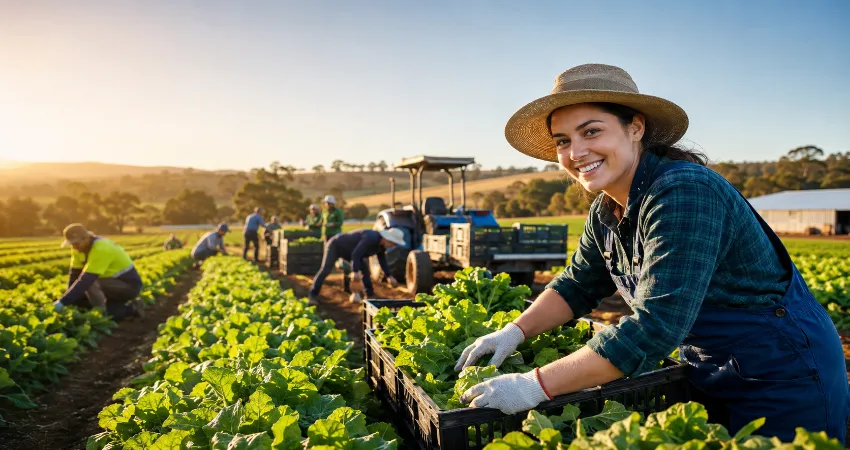
Australia continues to experience strong demand for agricultural workers across many regions, making farm worker jobs one of the most accessible employment opportunities for international applicants. As the country’s agriculture sector expands to meet domestic and export demand, many employers seek reliable workers from overseas when local labor shortages occur. For qualified candidates, visa sponsorship can provide a legal pathway to work and gain valuable international experience.
If you are considering working abroad in 2026, farm worker jobs in Australia may offer competitive wages, practical skills, and the opportunity to experience rural Australian life. While visa sponsorship is not available for every position, many approved employers participate in government-approved programs designed to address workforce shortages. Understanding the requirements, application process, and realistic expectations can significantly improve your chances of securing employment.
This guide explains how farm worker jobs with visa sponsorship work in Australia, who can apply, the types of agricultural roles available, expected salaries, visa pathways, and practical advice for submitting a successful application.
Why Australia Needs Farm Workers?
Australia’s agricultural industry plays a vital role in the national economy, producing fruits, vegetables, grains, dairy products, livestock, and wine for both local consumption and international markets. Seasonal harvesting periods often create significant demand for workers, especially in regional areas where finding enough local employees can be difficult.
Because of these workforce shortages, some employers recruit qualified international workers through approved visa sponsorship programs. Although demand varies by season and region, experienced and dependable applicants are generally valued by employers.
Types of Farm Worker Jobs Available
The Australian agriculture industry offers a wide range of positions suitable for different skill levels. Fruit picking and vegetable harvesting remain among the most common seasonal jobs, while livestock farms frequently hire animal attendants, dairy assistants, and farm hands. Crop farms also recruit irrigation workers, machinery operators, planting assistants, and general laborers.
Workers with experience operating tractors or agricultural equipment may qualify for higher-paying positions. Some employers additionally require greenhouse assistants, poultry workers, vineyard laborers, and packing shed employees to support year-round production.
Who Can Apply for Farm Worker Jobs?
Many farm worker positions are open to applicants with limited formal education, although employers usually expect candidates to be physically fit, willing to work outdoors, and capable of performing repetitive tasks. Previous agricultural experience is often preferred but is not always mandatory.
Basic English communication skills help workers understand safety instructions, communicate with supervisors, and perform daily responsibilities effectively. Employers may also request police clearance certificates, medical examinations, and evidence of previous work experience depending on the visa program and job role.
Visa Sponsorship Opportunities in 2026
Visa sponsorship means an approved Australian employer supports an eligible overseas worker for a specific position when local recruitment cannot fully meet labor needs. The available visa pathway depends on government immigration policies, employer eligibility, occupation requirements, and labor market conditions.
Applicants should always verify current visa information through official Australian Government immigration resources before submitting an application. Receiving sponsorship does not guarantee permanent residency, but some employment pathways may create opportunities for longer-term employment if eligibility requirements are met.
Expected Salary and Employee Benefits
Farm worker salaries in Australia vary depending on the location, employer, job responsibilities, experience level, and whether employment is seasonal or permanent. Workers are generally paid according to Australian workplace laws and applicable industry awards.
In addition to wages, some employers provide accommodation, transportation assistance, training, work clothing, or subsidized meals. Overtime pay may also apply during busy harvesting periods. Before accepting any offer, applicants should carefully review employment contracts to understand salary, working hours, leave entitlements, and accommodation arrangements.
Skills That Can Improve Your Chances
Although many entry-level positions require limited experience, certain skills can help applicants stand out. Experience with livestock care, irrigation systems, greenhouse production, crop maintenance, machinery operation, or food safety procedures can make candidates more competitive.
Strong work ethics, reliability, teamwork, punctuality, and the willingness to adapt to changing weather conditions are also qualities employers frequently value. Obtaining basic first aid certification or workplace safety training may provide an additional advantage in some recruitment processes.
How to Apply Successfully?
Preparing a professional application is one of the most important steps toward finding employment. Applicants should create a clear resume highlighting relevant work experience, physical abilities, language skills, and any agricultural training. It is equally important to write a concise cover letter explaining genuine interest in working in Australia’s farming industry.
Candidates should apply only through reputable employers, licensed recruitment agencies, or official company career pages. Avoid paying large recruitment fees to unofficial agents or responding to offers that promise guaranteed sponsorship without proper documentation.
Challenges You Should Be Prepared For
Farm work can be physically demanding. Employees may spend long hours outdoors in varying weather conditions, lift heavy materials, and perform repetitive tasks throughout the day. Seasonal work can also involve early morning starts and extended shifts during harvesting periods.
Living in regional communities may require adjusting to a different lifestyle than large cities. Understanding these realities before applying helps candidates make informed decisions and adapt more successfully once they begin employment.
Long-Term Career Opportunities
Many people begin as general farm workers and gradually develop specialized agricultural skills. With experience, workers may advance to supervisory positions, machinery operation, irrigation management, livestock care, or farm management support roles.
Some individuals also pursue vocational agricultural training while working, creating additional career opportunities within Australia’s agricultural sector. Although every career path differs, consistent performance, continuous learning, and compliance with workplace regulations often improve future employment prospects.
Frequently Asked Questions
1. Can foreigners apply for farm worker jobs in Australia with visa sponsorship in 2026?
Yes. Some Australian employers recruit overseas workers when they cannot fill positions locally. However, sponsorship depends on employer approval, government immigration rules, labor shortages, and the applicant meeting all eligibility requirements. Not every farm job includes sponsorship, so candidates should carefully review each vacancy.
2. Is previous farming experience required?
Not always. Many entry-level harvesting and general labor positions accept applicants without previous agricultural experience. Nevertheless, candidates with farming, livestock, machinery, or greenhouse experience often have stronger employment prospects and may qualify for a wider variety of roles.
3. What level of English is necessary?
Basic English communication is generally sufficient for many farm worker positions. Workers should be able to understand safety instructions, communicate with supervisors, and perform routine workplace tasks. Higher-skilled positions may require stronger English proficiency depending on the responsibilities.
4. What documents are commonly required during the application process?
Applicants typically need a valid passport, an updated resume, employment references if available, and any certificates relevant to agricultural work. Depending on the visa pathway, employers or immigration authorities may also require medical examinations, police clearance certificates, and additional supporting documents.
5. Are accommodation and meals provided?
This depends entirely on the employer. Some farms provide shared accommodation, transportation, or meal assistance, while others expect employees to arrange their own housing. Job advertisements and employment contracts should clearly explain what benefits are included.
6. How long do farm worker contracts usually last?
Contract length varies according to seasonal demand and employer requirements. Some harvesting jobs last only a few months, while other agricultural positions continue throughout the year. Workers should review the employment agreement carefully before accepting an offer.
7. Can farm work lead to other employment opportunities?
Yes. Workers who demonstrate reliability, develop practical agricultural skills, and maintain strong workplace performance may receive opportunities for additional responsibilities or future employment. Career progression depends on experience, employer needs, and individual qualifications.
8. How can applicants avoid recruitment scams?
Applicants should apply through official employer websites, recognized recruitment agencies, or trusted employment platforms. They should verify employer information, avoid paying large upfront fees, and carefully review all employment documents before sharing personal information or accepting an offer.
9. What physical requirements should applicants expect?
Farm work often requires standing for long periods, lifting equipment or produce, walking across fields, and working outdoors in different weather conditions. Maintaining good physical fitness and understanding workplace safety procedures can help employees perform their duties effectively.
10. Is it important to check official immigration information before applying?
Absolutely. Immigration policies, visa categories, and sponsorship requirements may change over time. Applicants should always confirm the latest information through official Australian Government immigration resources to ensure they understand current eligibility rules before beginning the application process.
Conclusion
Farm worker jobs in Australia with visa sponsorship in 2026 continue to attract international applicants seeking practical work experience and employment opportunities within a well-established agricultural industry. Success depends on realistic expectations, careful preparation, genuine qualifications, and applying through reputable employers that follow Australian employment and immigration regulations.
By building relevant skills, preparing professional application documents, and staying informed about official visa requirements, candidates can improve their chances of securing rewarding agricultural employment while contributing to one of Australia’s most important industries.
Published in Sponsorship





Be First to Comment