
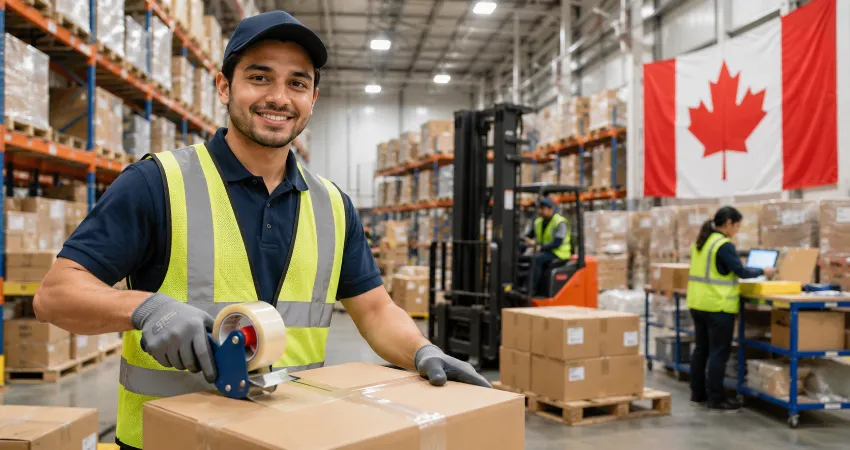
Canada continues to be one of the most attractive destinations for international workers looking for stable employment and long-term career opportunities. Among the sectors experiencing consistent demand, warehouse and logistics operations remain an important part of the Canadian economy. As online shopping, manufacturing, food distribution, and retail supply chains continue to grow, employers frequently look for reliable warehouse employees to support their operations.
For many foreign job seekers, warehouse jobs with visa sponsorship represent a practical pathway to gaining Canadian work experience. Although not every employer sponsors international workers, companies facing labor shortages may hire qualified candidates through approved immigration and temporary foreign worker programs. Understanding how the hiring process works can significantly improve your chances of finding legitimate employment.
This guide explains warehouse jobs in Canada with visa sponsorship in 2026, including job responsibilities, qualifications, salary expectations, application strategies, work permit information, and practical advice gathered from common employer expectations and industry hiring practices.
Why Warehouse Jobs Remain in High Demand in Canada?
Warehouses are the backbone of Canada’s retail, manufacturing, transportation, agriculture, and e-commerce industries. Every day, thousands of products move between suppliers, distribution centers, and customers. This constant movement creates ongoing demand for warehouse associates, order pickers, forklift operators, shipping clerks, inventory assistants, and logistics support staff.
Several provinces continue investing in new distribution centers, while large retailers and logistics companies regularly expand their operations. During seasonal peaks, especially before holidays, employers often require additional workers, creating opportunities for qualified international applicants.
Can Foreign Workers Get Visa Sponsorship for Warehouse Jobs?
Yes, foreign workers may obtain warehouse jobs with visa sponsorship, but sponsorship is not automatic. Canadian employers must generally demonstrate that they cannot fill certain positions with local workers before hiring internationally through approved government programs. Some employers recruit directly, while others use licensed recruitment agencies or participate in government-authorized hiring pathways.
Applicants should always verify whether a job posting specifically mentions work permit support or visa sponsorship. Legitimate employers never guarantee immigration approval, but they may provide documentation required during the work permit process if the position qualifies.
Common Warehouse Positions Available
Warehouse operations include a wide variety of entry-level and experienced positions. Popular roles include warehouse associate, picker and packer, shipping and receiving clerk, inventory control assistant, material handler, forklift operator, pallet jack operator, quality control assistant, logistics coordinator, and warehouse supervisor. Entry-level positions usually require fewer qualifications, while specialized equipment operators often need additional certifications or previous experience.
Typical Job Responsibilities
Daily responsibilities vary depending on the employer, but warehouse workers commonly receive shipments, inspect deliveries, organize inventory, prepare customer orders, package products, label shipments, maintain inventory records, operate warehouse equipment safely, and keep work areas clean. Many employers also expect workers to follow workplace safety procedures and work efficiently as part of a team.
Qualifications Employers Usually Look For
Many warehouse jobs do not require a university degree, making them accessible to a broad range of applicants. Employers typically value reliability, physical fitness, attention to detail, basic English or French communication skills, teamwork, punctuality, and willingness to work flexible shifts. Previous warehouse experience is often preferred but is not always mandatory for entry-level positions.
Applicants with experience using inventory management systems, barcode scanners, forklifts, or warehouse management software may have a competitive advantage during recruitment.
Expected Salary in 2026
Warehouse salaries vary by province, employer, shift schedule, and experience level. Entry-level warehouse associates generally earn competitive hourly wages, while experienced forklift operators, inventory specialists, and supervisors often receive higher compensation. Additional benefits may include overtime pay, health insurance, retirement savings plans, paid vacation, employee discounts, safety bonuses, and opportunities for internal promotion.
Workers accepting evening, overnight, or weekend shifts may also receive shift differentials that increase their overall earnings.
How to Find Legitimate Warehouse Jobs With Visa Sponsorship?
Successful applicants usually focus on trusted recruitment sources rather than social media advertisements. Official company career pages, recognized Canadian job portals, licensed recruitment agencies, and provincial employment resources are among the safest places to search for opportunities. Reading the complete job description helps determine whether international applicants are eligible and whether work permit assistance is available.
A well-prepared resume tailored to Canadian hiring standards, a professional cover letter, and accurate employment history can significantly improve interview opportunities.
Application Tips That Improve Your Chances
One lesson shared by many successful applicants is that preparation matters more than submitting hundreds of applications. Employers appreciate candidates who understand warehouse operations, demonstrate reliability, and explain how their previous experience matches the job requirements.
Customize your resume for each position, highlight measurable achievements, mention safety awareness, include relevant certifications, and prepare for virtual interviews. Researching the employer before the interview also shows professionalism and genuine interest.
Career Growth Beyond Entry-Level Warehouse Work
Warehouse employment can become the starting point for a long-term career. Many employees progress into supervisory roles, inventory management, transportation planning, logistics coordination, procurement, operations management, or supply chain analysis. Canadian employers often promote dependable workers internally, especially those who consistently demonstrate leadership, problem-solving abilities, and strong attendance records.
For international workers planning a longer stay, gaining Canadian work experience may also strengthen future career opportunities within the logistics and transportation industry.
Challenges International Workers Should Prepare For
Warehouse work can be physically demanding. Employees may spend long hours standing, lifting packages, walking throughout large facilities, and meeting productivity targets. Seasonal weather can also affect certain warehouse environments, particularly in colder regions of Canada.
Adjusting to workplace culture, communication styles, and safety regulations may require time, but employers often provide orientation and job-specific training to help new employees succeed.
Frequently Asked Questions
1. Can I apply for warehouse jobs in Canada without previous experience?
Yes. Many employers hire entry-level workers and provide on-the-job training. Demonstrating reliability, physical fitness, and a willingness to learn can be just as important as previous warehouse experience for many positions.
2. Do all warehouse employers offer visa sponsorship?
No. Only certain employers participate in hiring international workers through approved immigration or temporary worker programs. Always review the job advertisement carefully to confirm whether sponsorship or work permit support is available.
3. Is English language proficiency required?
Most employers expect workers to communicate in basic English or French for safety instructions, teamwork, and daily responsibilities. Strong communication skills may also improve promotion opportunities.
4. What documents are commonly needed during the hiring process?
Requirements vary by employer, but applicants typically need a passport, resume, employment history, educational documents if requested, and any certifications relevant to warehouse operations. Additional immigration documents may be required during the work permit process.
5. How long does the recruitment process usually take?
The timeline depends on employer needs, government processing times, and the specific hiring program being used. Some seasonal positions move quickly, while permanent recruitment may require several weeks or months.
6. Can warehouse work lead to long-term employment in Canada?
Yes. Many employers retain high-performing employees and provide opportunities for promotion. Long-term employment depends on business needs, work performance, immigration eligibility, and available positions.
7. Are warehouse jobs physically demanding?
Most warehouse positions involve lifting, walking, standing, and repetitive movement. Employers generally provide safety training and equipment to help employees perform their duties safely.
8. Which Canadian provinces usually have more warehouse opportunities?
Large logistics and distribution hubs are commonly found in provinces with major cities and transportation networks. Employment opportunities often increase in areas with active manufacturing, retail distribution, and e-commerce operations.
9. What skills make an applicant more competitive?
Experience with inventory systems, forklift operation, teamwork, attention to detail, workplace safety, organization, and time management can strengthen an application. Employers also value dependable attendance and a positive attitude.
10. How can I avoid fraudulent job offers?
Apply through reputable employers, licensed recruitment agencies, and trusted job platforms. Be cautious of offers requesting payment for employment, guaranteed visas, or unusually high salaries without a formal recruitment process. Verifying employer information before sharing personal documents is an important safety step.
Conclusion
Warehouse jobs in Canada with visa sponsorship in 2026 continue to provide valuable opportunities for international workers seeking stable employment in a growing logistics sector.
While sponsorship depends on employer needs and government requirements, qualified candidates who prepare a strong application, understand workplace expectations, and apply through legitimate channels can improve their chances of success.
With consistent demand across multiple industries, warehouse employment remains a practical entry point into the Canadian workforce and may also open doors to future career advancement within supply chain and logistics operations.
Published in Sponsorship


Be First to Comment